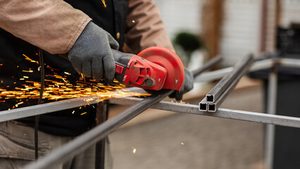
Look around at the structures and equipment that support everyday life. From bridges and stair railings to industrial machinery and decorative metal features, metal plays a critical role in modern design and construction. Behind these durable and precise components is a process known as metal fabrication.
Metal fabrication transforms raw metal into functional parts and structures used in countless industries. Understanding how metal fabrication works reveals the craftsmanship, planning, and technology required to shape metal into reliable and practical products. Contact 83MetalCraft LLC for more details.
Understanding the Metal Fabrication Process
Metal fabrication is the process of cutting, shaping, and assembling metal materials into finished structures or components. This process takes raw metal sheets, bars, or tubes and transforms them into products used in construction, manufacturing, transportation, and many other fields.
The fabrication process often begins with design and planning. Engineers or designers create detailed drawings that specify the dimensions and characteristics of the final product. These plans guide fabricators through each step of production.
Once the design is prepared, the metal is shaped using a variety of techniques. Fabricators may cut, bend, or weld metal pieces to create the desired form. Each step requires precision to ensure that the finished product meets the exact specifications.
Metal fabrication is used to produce a wide range of items. Structural beams, machinery components, handrails, gates, and even artistic metalwork are created through fabrication. The versatility of metal allows it to be adapted to many different applications.
By combining technical skill with specialized tools, fabricators turn raw materials into strong and reliable structures that support modern infrastructure.
Common Materials Used in Metal Fabrication
Metal fabrication involves several different types of metals, each chosen for its unique properties and applications. Selecting the right material is an important part of the fabrication process.
Steel is one of the most widely used materials in fabrication. It is known for its strength, durability, and versatility. Steel can support heavy loads, making it ideal for construction projects such as building frames and structural supports.
Aluminum is another popular material because of its lightweight nature and resistance to corrosion. Aluminum fabrication is often used in transportation equipment, architectural elements, and consumer products.
Stainless steel offers both strength and resistance to rust. It is commonly used in environments where hygiene and durability are important, such as kitchens, medical equipment, and food processing facilities.
Other metals such as copper and brass may also be used for specific applications. These materials provide unique visual characteristics and conductivity properties that make them suitable for specialized projects.
Choosing the correct metal ensures that the finished product performs effectively in its intended environment.
Cutting and Shaping Metal Components
One of the most fundamental steps in metal fabrication is cutting metal into the shapes required for a project. Precision cutting ensures that each piece fits perfectly during assembly.
Several techniques are used to cut metal materials. Mechanical cutting tools such as saws and shears are often used for straightforward cuts. These tools provide reliable results for many fabrication projects.
Advanced cutting methods use technology to achieve higher levels of precision. Laser cutting, for example, uses focused beams of light to slice through metal with exceptional accuracy. This method is commonly used for intricate designs and detailed components.
Plasma cutting is another technique that uses electrically charged gas to cut through metal quickly and efficiently. This method is especially effective for thicker materials.
After cutting, metal pieces may be shaped through bending or forming. Specialized machines apply controlled pressure to create curves or angles in the metal without compromising its strength.
These shaping techniques allow fabricators to create components that match complex design requirements.
Welding and Assembling Metal Structures
Once metal components are cut and shaped, they must be assembled into the final structure. Welding is one of the most important techniques used during this stage.
Welding joins metal pieces together by melting the edges of the materials and allowing them to fuse as they cool. This process creates strong connections that can withstand heavy loads and harsh conditions.
Different welding methods are used depending on the type of metal and the requirements of the project. Some techniques provide precise and clean welds, while others are better suited for heavy structural applications.
Fabricators carefully align metal pieces before welding to ensure that the final structure is accurate and stable. Proper alignment prevents weaknesses and ensures that the finished product meets design specifications.
After welding is complete, joints are inspected to verify their strength and quality. This step helps ensure that the fabricated structure is safe and durable.
The combination of cutting, shaping, and welding transforms individual metal components into finished products ready for use.
Finishing and Surface Treatment
After fabrication and assembly, metal components often undergo finishing processes that improve both appearance and durability. These finishing steps help protect metal surfaces from corrosion and wear.
One common finishing method is grinding or polishing. These techniques smooth rough edges and remove imperfections from the metal surface, creating a clean and refined appearance.
Protective coatings are also applied to many fabricated products. Paint, powder coating, or specialized finishes help shield the metal from moisture and environmental exposure.
In some cases, metal surfaces are treated with processes that improve their resistance to rust. These treatments are especially important for structures exposed to outdoor conditions.
Finishing not only enhances the appearance of fabricated metal but also extends the lifespan of the product by protecting it from damage.
Industries That Rely on Metal Fabrication
Metal fabrication supports a wide variety of industries that depend on strong and reliable components. Construction is one of the most prominent sectors that rely heavily on fabricated metal.
Structural steel beams, staircases, railings, and support frames are all created through fabrication. These elements form the backbone of many buildings and infrastructure projects.
Manufacturing also depends on fabricated metal parts for machinery and equipment. Precision fabricated components allow machines to operate efficiently and safely.
Transportation industries rely on metal fabrication for vehicle frames, trailers, and mechanical parts. The strength and durability of metal make it an ideal material for these applications.
Even artistic and architectural design incorporates metal fabrication. Decorative gates, sculptures, and custom metal features add unique visual elements to buildings and landscapes.
The wide range of applications demonstrates how essential metal fabrication is to modern life.
The Importance of Skilled Fabrication Professionals
Metal fabrication requires a high level of skill and attention to detail. Fabricators must understand both the properties of different metals and the techniques used to shape them effectively.
Precision is especially important in fabrication work. Even small measurement errors can affect how components fit together during assembly. Skilled professionals ensure that every piece is cut and formed accurately.
Safety is another critical aspect of fabrication. Working with heavy materials and high-powered equipment requires proper training and protective measures.
Experienced fabricators also understand how to choose appropriate materials and techniques for each project. Their expertise helps ensure that finished structures meet performance requirements and remain durable over time.
The combination of technical knowledge and craftsmanship allows fabrication professionals to produce high-quality metal products.
The Value of Metal Fabrication in Modern Construction and Industry
Metal fabrication is a vital process that shapes the infrastructure and equipment used in everyday life. From construction and manufacturing to transportation and design, fabricated metal components provide strength, durability, and precision.
Through careful planning, cutting, shaping, welding, and finishing, raw metal materials are transformed into reliable structures and products. Each stage of the fabrication process requires expertise and attention to detail.
By understanding the importance of metal fabrication, it becomes clear how this craft supports the development of modern buildings, machinery, and artistic creations. With skilled professionals and advanced techniques, metal fabrication continues to play a crucial role in building the structures that support communities and industries around the world.